A real founder market fit
The business grows from direct fitness experience, daily contact with women and a long standing interest in fashion.

Business partnership presentation
Self Made Active is a South African women’s activewear business where fashion, fitness, confidence and commercial opportunity come together.
The opportunity
The foundation is already taking shape. The brand, suppliers, ecommerce platform and initial investor interest are in place. The next step is to build the right partnership around the opportunity.
The business grows from direct fitness experience, daily contact with women and a long standing interest in fashion.
Stellenbosch provides a concentrated student and lifestyle market supported by national ecommerce reach.
The opportunity begins with activewear and can expand into lifestyle products, community experiences, retail and international distribution.
Founder story
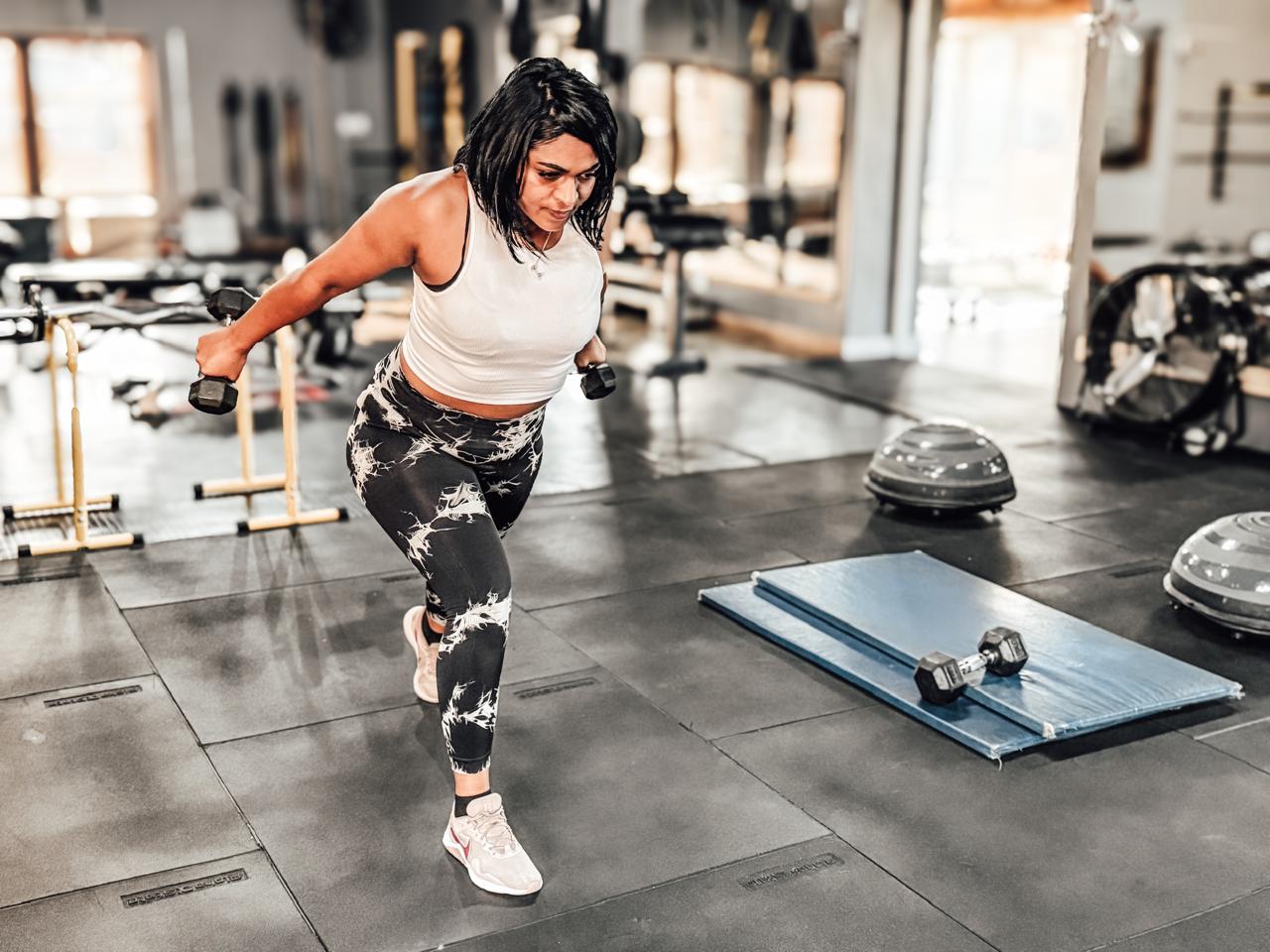
Growing up, I always wanted to become a fashion designer.
Life took me in another direction and I worked hard to earn my fitness qualification. At the time, I believed fitness was the path I was meant to follow.
What I did not realise was that my childhood dream had never disappeared. It was waiting to find its place within my love for fitness.
Fitness helped me rebuild my confidence, develop discipline and create a career. Today, those two passions have come together to give birth to Self Made Active.
Self Made Active is for the woman who is still becoming.
Problem and solution
Too many women still feel that they are not fit enough, thin enough, young enough or confident enough to belong.
Quality activewear that helps women feel confident, comfortable, attractive, strong and included.
The product
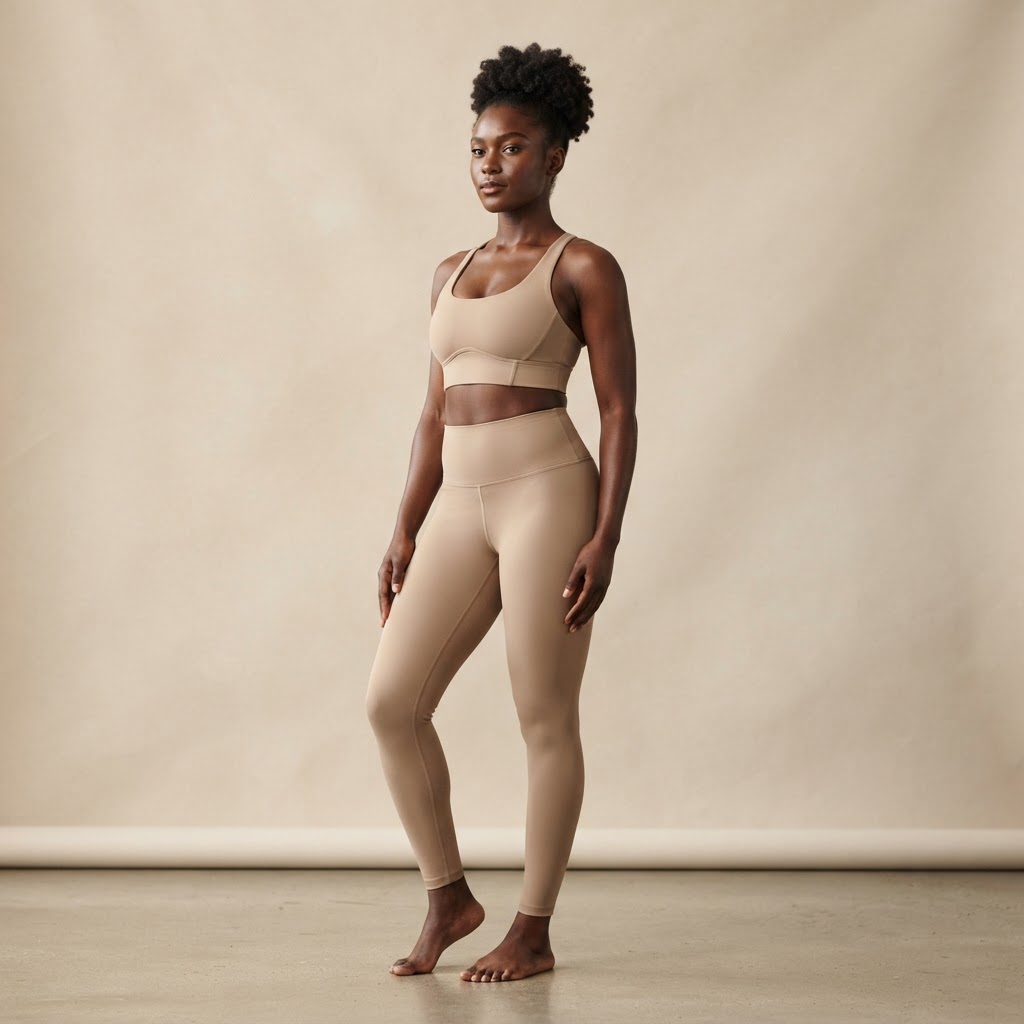
The first collection will remain focused. This allows us to control inventory, test demand, identify strong products and protect cash flow.

Collection preview

Collection preview
Collection preview
The store is part of the commercial model and gives the presentation tangible product proof. It supports the investment case without replacing it.
Explore the current storeSelf Made Active will establish a physical presence in Stellenbosch, an active university town with a large and constantly renewing student community.
The location gives the business direct access to young adults who care about fitness, fashion, identity and belonging.
The first space can operate as a customer touchpoint, fitting space, content studio, stock base and community hub. It does not need to begin as an expensive full retail store.
Business model
Direct sales through the Self Made Active ecommerce platform
Customer contact, fittings, events and local retail
Coaching, ambassadors, creators and fitness partnerships
Retail, distribution and selected international markets
Current progress
Marketing
A focused first collection and clear founder story
Professional product and lifestyle content
Student and fitness ambassadors
Gym, trainer and wellness partnerships
Launch events and workouts in Stellenbosch
Customer reviews, referrals and direct communities
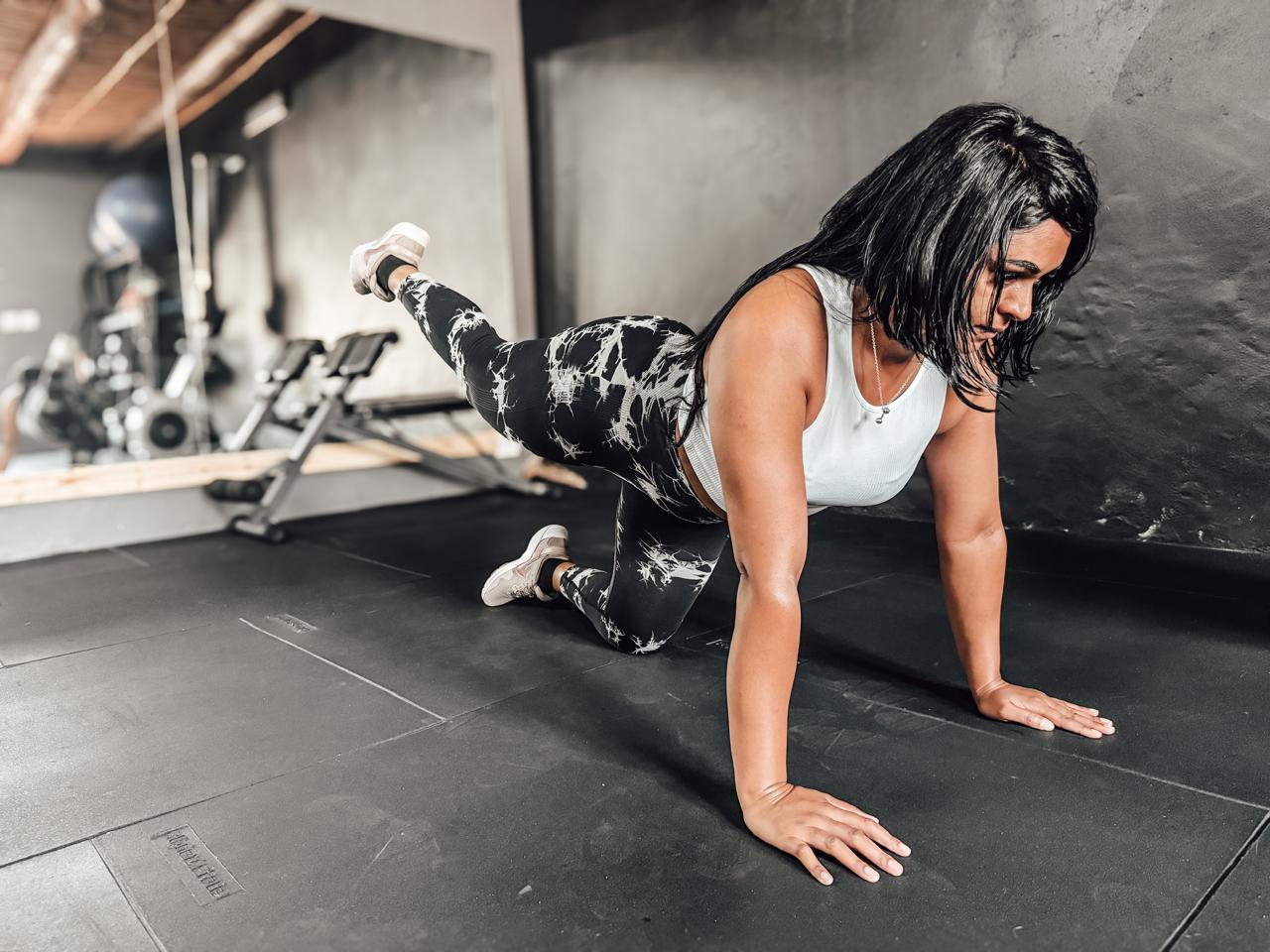
My vision extends beyond clothing. I understand how difficult circumstances can affect a young girl’s confidence, dignity and future.
As the business grows, Self Made Active intends to support responsible initiatives that provide vulnerable girls with sanitary products, confidence activities, fitness opportunities, mentorship and positive female role models.
The programme must be supported by suitable partners, clear records and measurable results. It will grow at a pace the business can afford.
Partnership opportunity
The right relationship combines financial support with marketing direction, commercial thinking and long term involvement.
The original vision and founder story
Fitness industry experience
Direct customer relationships
Supplier relationships
Product and brand foundation
Commitment to lead and grow
Financial investment
Marketing and brand strategy
Commercial planning
Customer acquisition
Strategic relationships
International market perspective
Use of investment
Initial inventory and production
Samples and quality control
Packaging and brand presentation
Stellenbosch premises and setup
Ecommerce and customer systems
Launch marketing and content
Ambassador partnerships
Warehousing and fulfilment
Working capital
Social impact planning
Legal and professional fees must be budgeted from the beginning. Clear agreements protect the founder, the partner, the investment and the brand.
Company and ownership structuring
Shareholders and investment agreements
Trademark and intellectual property protection
Supplier and distribution agreements
Employment and contractor agreements
Lease review and negotiation
Independent legal and financial advice
Growth roadmap
Stage one
Finalise the partnership, funding model, suppliers, products and legal framework.
Stage two
Open the initial Stellenbosch presence and launch the focused online collection.
Stage three
Expand through ecommerce, ambassadors, pop ups and selected retail partners.
Stage four
Enter suitable African markets before selected opportunities in the UK and Europe.
Sales channels
The brand is built for more than a single shopfront. Through our own online store and selected mid-to-high-end channels, Self Made Active can reach customers across South Africa and beyond, while protecting brand positioning and margin.
Owned ecommerce
Our own direct-to-customer store. Full control of brand, pricing, data and the customer relationship. The foundation of the business.
Potential marketplace
South Africa's largest online marketplace. Rapid national reach, trusted fulfilment and immediate access to a proven buying audience.
Potential marketplace
A growing SA marketplace with strong logistics and international credibility. A scalable channel for reach beyond our own store.
Potential retail channel
South Africa's leading sports retailer. Premium positioning and a national footprint suited to performance and lifestyle activewear.
Potential retail channel
A premium sportswear and lifestyle destination for fashion-led customers. Strong alignment with the Self Made Active brand identity.
Potential retail channel
South Africa's largest sports store chain. Broad national coverage and an established audience for quality activewear.
Channels are selected to protect the premium positioning of the brand. Value and mass-market retailers are intentionally excluded at launch.
These organisations represent potential future sales or distribution channels. Their inclusion does not imply a confirmed listing, commercial agreement or retail partnership.
Investment proposal
Self Made Active is building a premium South African women's activewear and lifestyle brand, beginning with a focused launch in Stellenbosch and national direct-to-customer ecommerce. The investment will move the business from brand and product development into structured commercial launch, customer acquisition and scalable growth.
Entry partner
Investment
R350,000
Proposed Equity Ownership 10%
Implied pre-money
R3.15 million
Implied post-money
R3.5 million
Includes
Growth partner
Investment
R800,000
Proposed Equity Ownership 20%
Implied pre-money
R3.2 million
Implied post-money
R4 million
Includes
Lead partner
Investment
R1.5 million
Proposed Equity Ownership 30%
Implied pre-money
R3.5 million
Implied post-money
R5 million
Includes
All investment amounts, valuations and equity allocations remain subject to due diligence, verification, final negotiation and legally binding investment and shareholders' agreements.
Strong. Confident. Self Made.
How the proposed valuation is calculated
The post-money valuation is calculated by dividing the proposed investment by the proposed equity percentage.
Investment ÷ Equity
R350,000 ÷ 10%
= R3.5 million post-money
Investment ÷ Equity
R800,000 ÷ 20%
= R4 million post-money
Investment ÷ Equity
R1.5 million ÷ 30%
= R5 million post-money
The corresponding proposed pre-money valuations range from approximately R3.15 million to R3.5 million.
These are proposed transaction valuations for discussion. They are not independent professional valuations and remain subject to commercial evidence, due diligence and negotiation.
Valuation foundation
The proposed valuation considers the business foundation already developed, including:
The valuation must ultimately be supported by verified supplier quotations, product margins, customer demand, launch performance, intellectual-property ownership and financial forecasts.
Investment framework
Final investment figures will be confirmed against current supplier pricing, freight, premises, legal requirements and the agreed launch model.
Proposed capital requirement
R350,000 to R1.5 million
The final capital requirement will depend on the agreed launch scale, initial production volume, Stellenbosch premises, marketing programme and working-capital requirement.
Initial Stellenbosch premises
R15,000 to R20,000 pm
A practical operating and customer facing space for the first stage
Future student centre retail
From R40,000 pm
Considered only after demand and sales performance have been proven
Maximum proposed investor equity
30%
The founder intends to retain a minimum controlling interest of 70%. Final equity remains subject to valuation, due diligence and legal agreement.
The founder intends to retain a minimum controlling interest of 70%. The maximum equity currently proposed for an external investor is 30%, subject to valuation, due diligence and final legal agreement.
The founder will continue to lead the brand, product vision and daily operations. Investor voting rights, reserved matters, reporting rights and strategic responsibilities will be defined in the shareholders' agreement.
What the investor receives
The investor receives equity ownership in the operating company, not merely a percentage of individual product sales.
Investor involvement will not extend to daily operational control unless specifically agreed.
Use of investment
Each investment option is allocated across the same core launch categories in proportion to the contribution. The deployment periods below show when the company expects to use the capital. They do not automatically determine when the investor must make payment. Investment payment dates and any milestone-based tranches will be defined separately in the investment agreement.
Entry partner
R350,000
Proposed Equity Ownership 10%
| Use of funds | Amount | Deployment Period |
|---|---|---|
| Initial inventory and production | R105,000 | Months 1 – 3 |
| Samples and quality control | R20,000 | Months 1 – 2 |
| Packaging and brand presentation | R21,000 | Months 1 – 3 |
| Stellenbosch premises and setup | R47,000 | Months 1 – 4 |
| Ecommerce and customer systems | R28,000 | Months 1 – 2 |
| Launch marketing and content | R42,000 | Months 1 – 6 |
| Ambassador partnerships | R21,000 | Months 2 – 9 |
| Warehousing and fulfilment | R16,000 | Months 2 – 6 |
| Working capital | R42,000 | Months 1 – 12 (ongoing) |
| Social impact planning | R8,000 | Months 6 – 12 |
| Total investment | R350,000 | Capital deployed across 12 months |
Growth partner
R800,000
Proposed Equity Ownership 20%
| Use of funds | Amount | Deployment Period |
|---|---|---|
| Initial inventory and production | R240,000 | Months 1 – 3 |
| Samples and quality control | R43,000 | Months 1 – 2 |
| Packaging and brand presentation | R48,000 | Months 1 – 3 |
| Stellenbosch premises and setup | R107,000 | Months 1 – 4 |
| Ecommerce and customer systems | R64,000 | Months 1 – 2 |
| Launch marketing and content | R96,000 | Months 1 – 6 |
| Ambassador partnerships | R48,000 | Months 2 – 9 |
| Warehousing and fulfilment | R37,000 | Months 2 – 6 |
| Working capital | R96,000 | Months 1 – 12 (ongoing) |
| Social impact planning | R21,000 | Months 6 – 12 |
| Total investment | R800,000 | Capital deployed across 12 months |
Lead partner
R1.5 million
Proposed Equity Ownership 30%
| Use of funds | Amount | Deployment Period |
|---|---|---|
| Initial inventory and production | R450,000 | Months 1 – 3 |
| Samples and quality control | R80,000 | Months 1 – 2 |
| Packaging and brand presentation | R90,000 | Months 1 – 3 |
| Stellenbosch premises and setup | R200,000 | Months 1 – 4 |
| Ecommerce and customer systems | R120,000 | Months 1 – 2 |
| Launch marketing and content | R180,000 | Months 1 – 6 |
| Ambassador partnerships | R90,000 | Months 2 – 9 |
| Warehousing and fulfilment | R70,000 | Months 2 – 6 |
| Working capital | R180,000 | Months 1 – 12 (ongoing) |
| Social impact planning | R40,000 | Months 6 – 12 |
| Total investment | R1,500,000 | Capital deployed across 12 months |
Social-impact planning will focus on programme design, governance, partnerships and measurement. Commercial launch capital will not be diverted into unaffordable charitable commitments. Any social-impact expenditure will be introduced responsibly and at a pace supported by the company's financial position.
Investment may be contributed as a single payment or through agreed milestone-based tranches.
Where capital is paid in tranches:
R800,000 tranche schedule
| Legal Structure and Supplier Confirmation | R200,000 |
| Samples and Production Approval | R200,000 |
| Initial Production and Launch Readiness | R250,000 |
| Commercial Launch and Working Capital | R150,000 |
| Total | R800,000 |
This tranche schedule is an illustrative example. Final tranche amounts and dates will be agreed in the investment agreement.
How the investment creates value
The purpose of the investment is not simply to purchase inventory. It is to build a repeatable commercial system for acquiring customers, selling products profitably and increasing the long-term value of Self Made Active.
Produce and hold focused launch inventory
Test demand and identify bestselling products
Acquire customers through ecommerce, content and ambassadors
Build repeat purchases and customer loyalty
Establish a practical Stellenbosch customer touchpoint
Expand the collection using verified sales information
Increase national ecommerce reach
Introduce pop-ups and selected retail distribution
Prepare the business for African and international expansion
Based on the current product range, Self Made Active products are positioned approximately between R549 and R949. The following figures represent initial commercial planning targets and must be confirmed against actual manufacturing, freight, duty, packaging and fulfilment costs.
VAT treatment
The figures below are preliminary planning assumptions. Consumer selling prices, net revenue, landed product costs and gross margins must be presented on a consistent VAT basis.
If Self Made Active becomes VAT-registered, VAT collected from customers will not form part of the company's net revenue. Eligible input VAT may be recoverable subject to South African tax requirements. The final financial model must be reviewed by a qualified accountant or tax practitioner.
| Average Order Value | R850 |
| Long-Term Target Gross Margin | 55%–60% on net revenue excluding VAT |
| Estimated Gross Profit per Order | R468–R510 |
| Customer Acquisition Cost Target | Below R200 per first-time customer |
| Repeat Purchase Target | 25%–35% within 12 months |
| Ecommerce Conversion Target | 1.5%–2.5% |
| Inventory Sell-Through Target | 70%–80% per collection cycle |
| Product Return Rate Target | Below 12% |
The customer acquisition cost target will be monitored against the customer's gross profit, repeat-purchase behaviour and estimated lifetime value. A customer acquisition cost below R200 is only commercially sustainable if sufficient gross profit and repeat revenue are achieved.
Before VAT registration
After VAT registration
These examples are illustrative. Actual margins will depend on supplier costs, freight, import duties, packaging, input-VAT recovery and the company's VAT-registration status.
| Metric | Year 1 | Year 2 | Year 3 |
|---|---|---|---|
| Approximate Orders | 1,800 | 5,000 | 10,000 |
| Average Order Value | R850 | R875 | R900 |
| Projected Customer Sales | R1.53 million | R4.38 million | R9 million |
| Target Gross Margin | 58% | 59% | 60% |
| Projected Gross Profit | R887,400 | R2.58 million | R5.4 million |
| Estimated Operating Expenses | R1.04 million | R2.05 million | R3.75 million |
| Indicative Operating Result | -R152,600 | R530,000 | R1.65 million |
| VAT-Exclusive Accounting Revenue | To be confirmed according to VAT-registration timing | ||
Year 1 concentrates on launch, customer acquisition and market validation.
Year 2 targets repeatable national growth and positive annual operating performance.
Year 3 targets stronger profitability, product expansion and broader distribution.
Projected customer sales are calculated from approximate orders multiplied by average customer order value. Once the business becomes VAT-registered, VAT collected from customers must be excluded from accounting revenue. Gross profit, operating expenses and operating results must therefore be recalculated on a consistent VAT-exclusive basis before these projections are used as formal forecasts.
These figures are an illustrative commercial scenario and not guaranteed results. They must be updated when final supplier costs, logistics expenses and launch budgets have been confirmed.
Before VAT registration, using an illustrative gross profit of R493 per order and estimated monthly fixed operating costs of R100,000, Self Made Active would require approximately:
203
orders per month
~7
orders per day
R172,550
monthly customer sales
After VAT registration, the required number of orders may increase because VAT collected from customers is excluded from net revenue. The final break-even calculation must use verified VAT-exclusive selling prices, landed costs, fulfilment costs, payment-processing fees, customer acquisition costs and monthly operating expenses.
Investment milestones
Months 1–3
Months 4–6
Months 7–12
Year 2
Year 3
Investors will receive agreed performance reporting covering:
Investors will receive quarterly management accounts prepared by the company or its appointed accounting professional. Annual financial statements will be prepared according to the company's applicable statutory and contractual requirements. The shareholders' agreement will define the investor's reporting and information rights.
Illustrative equity growth
The value of an investor's equity increases only if the overall value of Self Made Active increases.
| Future Company Value | 10% Stake | 20% Stake | 30% Stake |
|---|---|---|---|
| R5 million | R500,000 | R1 million | R1.5 million |
| R10 million | R1 million | R2 million | R3 million |
| R20 million | R2 million | R4 million | R6 million |
| R30 million | R3 million | R6 million | R9 million |
These figures illustrate the mathematical value of different equity percentages at hypothetical future company valuations. They are not guaranteed returns, promised valuations or formal financial forecasts.
If the company becomes profitable and has sufficient cash reserves, the board and shareholders may approve dividends in accordance with South African company law and the shareholders' agreement. Profits may initially be reinvested to finance inventory, marketing and growth. Dividends are not guaranteed.
A future investment round completed at a higher company valuation may increase the indicated value of an existing investor's shares. However, a higher valuation does not automatically provide a cash return unless the investor sells shares or participates in an approved secondary transaction.
Subject to affordability, legal requirements and agreement between the parties, the founder, another shareholder or the company may negotiate to acquire some or all of an investor's shares. No automatic buyback obligation or fixed buyback value is guaranteed.
A retailer, distributor, apparel group or other strategic buyer may acquire part or all of the business.
No fixed exit date, dividend or investment return is guaranteed.
Financial verification before investment
No investor should be asked to rely on preliminary assumptions as though they are verified historical results.
Important notice
This presentation is provided for private discussion purposes only. It does not constitute a public offer, financial advice or a guarantee of investment performance.
All investment terms, financial projections, valuations and equity allocations remain subject to verification, due diligence, negotiation and legally binding agreements.
Prospective investors should obtain independent legal, tax and financial advice before making an investment decision.